If you’re looking for the Labs tab in Gmail’s settings, it isn’t there anymore. Gmail Labs was where Google let people try experimental features — you’d switch them on one by one, and the good ones eventually “graduated” into regular Gmail. Google retired the Labs tab when it redesigned Gmail in 2018.
Most of the Labs worth having didn’t disappear, though. They either became normal Gmail features or moved to the Advanced tab in settings. I originally wrote this page in 2011 as a list of my six favourite Labs, so below is what each one did and where it lives now.
Where the remaining Labs features are
Click the Settings gear at the top right, then See all settings, then the Advanced tab. That’s the closest thing to the old Labs tab. It has:
- Templates — saved replies you can insert into any email
- Auto-advance — opens the next conversation after you archive or delete one, instead of going back to the inbox
- Custom keyboard shortcuts — lets you change Gmail’s shortcut keys
- Unread message icon — shows your unread count on the Gmail browser tab
Turn one on by clicking Enable next to it, then Save Changes at the bottom of the page.
My original six Labs, and where they went
1. Signature Tweaks
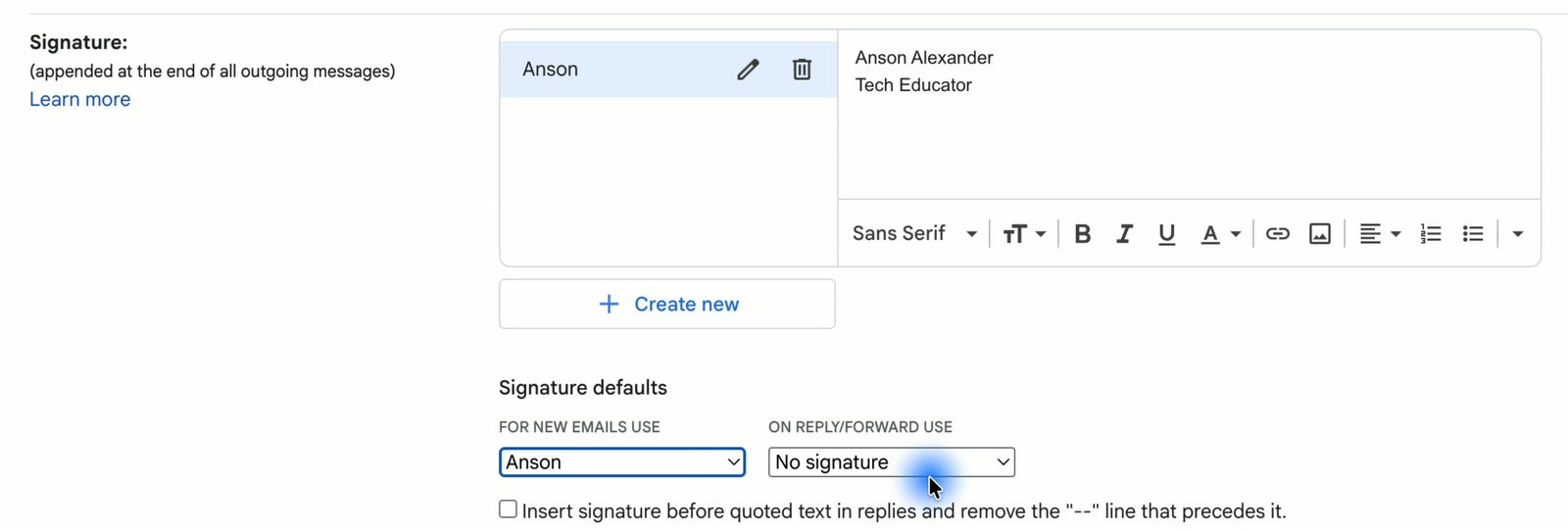
This was the most popular Lab by far. It put your signature above the quoted text when you replied, and removed the “–” line Gmail puts in front of every signature.
Now: it’s a checkbox in your signature settings. Go to See all settings, stay on the General tab, scroll to Signature, and tick Insert signature before quoted text in replies and remove the “–” line that precedes it.
2. Mark as Read button
It added a button so you could mark emails as read without digging through a menu.
Now: built in. Select one or more emails in your inbox and the Mark as read button (an open envelope) appears in the toolbar at the top.
3. Nested Labels
It let you put labels inside other labels, so they worked more like folders.
Now: built in. When you create a label, tick Nest label under and pick the parent label. I explain labels and filters in my Gmail tutorial for beginners.
4. Got the wrong Bob?
It warned you when you might have picked the wrong person with the same first name — the Bob who’s your boss instead of the Bob who’s your friend.
Now: there’s nothing to turn on. Gmail’s regular autocomplete suggests addresses as you type, so the habit worth keeping is checking the full address under each name before you send, especially on group emails.
5. Canned Responses
It let you save replies you send over and over and drop them into an email with a click.
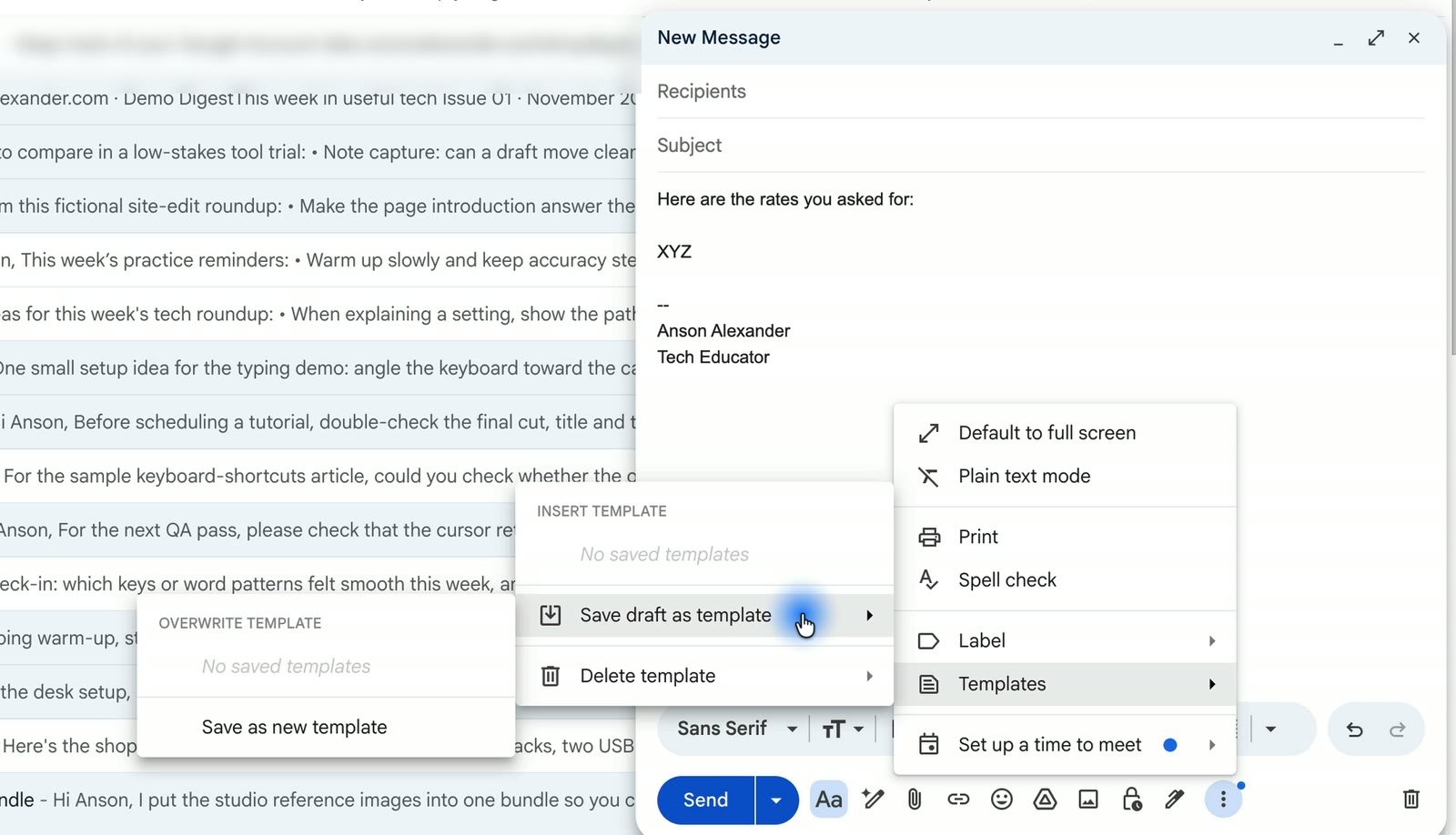
Now: it’s called Templates. Turn it on under See all settings → Advanced → Templates, then save one from any draft: click the three dots at the bottom of the compose window, then Templates → Save draft as template. Templates only work in Gmail on a computer.
6. Unread message icon
It showed how many unread emails you had right on the Gmail browser tab, so you didn’t need to switch to it.
Now: still there, under See all settings → Advanced → Unread message icon.
Preview Pane is now the reading pane
One more Lab people still search for: Preview Pane, which split the screen so you could read an email next to your inbox. It’s now a built-in setting called the reading pane.
Click the Settings gear and, under Reading pane, choose Right of inbox or Below inbox. No split turns it off again. You’ll find the same option under See all settings → Inbox → Reading pane, where you tick Enable reading pane and click Save Changes.
Multiple Inboxes
Multiple Inboxes, which shows several sections of email at once — say, starred emails above your regular inbox — also started as a Lab. Now it’s an inbox type: click the Settings gear and, under Inbox type, choose Multiple Inboxes.
The rest
Plenty of the smaller, quirkier Labs were simply retired along the way. If a Lab you remember isn’t in the Advanced tab or the quick settings, it most likely isn’t coming back.
For everything else about current Gmail — organizing your inbox, filters, Undo Send, templates and more — start with my Gmail tutorial for beginners, or watch the video version on YouTube.